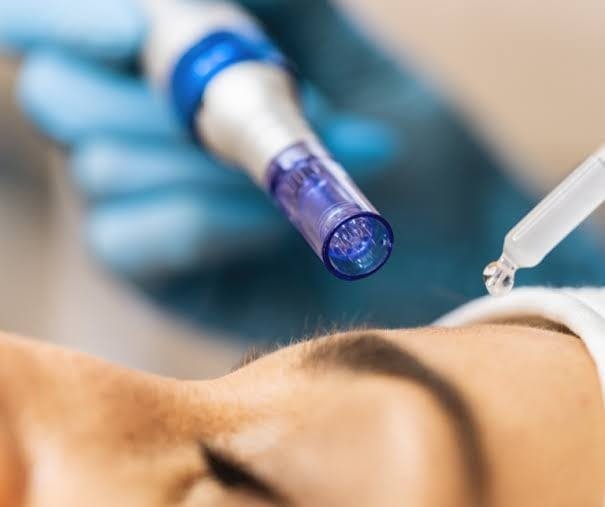
Microneedling
Automated collagen induction to refine dilated pores and smooth scar edges.
Learn More →
Break free from stubborn post-acne scarring with physician-supervised multi-modality protocols at Hair Art Clinic. Combining clinical subcision, TCA CROSS, targeted peels, and microneedling tailored to your skin type.
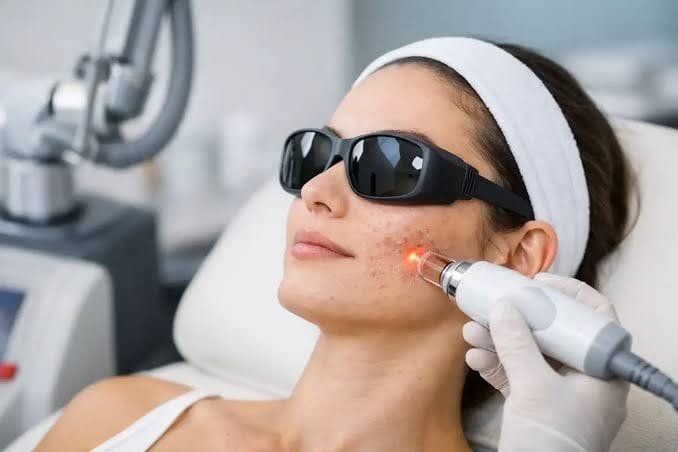
Severe inflammatory acne destroys normal collagen fibers within the deep dermis. During abnormal healing, fibrous scar tissue forms, tethering the skin down or leaving hollowed-out deficits.
At Hair Art Clinic in Faisalabad, under the leadership of Dr. Kashif Hussain (FCPS Dermatology) and our certified clinical team, we recognize that no single laser or cream cures all scars. We employ a customized 3D combination approach: subcision untethers deep fibrous adhesions, focal TCA CROSS targets deep ice-pick tracts, and microneedling levels widespread surface rolling irregularities.
Each scar morphology demands a distinct clinical intervention for maximum structural restoration.
Broad depressions with sloping edges tethered to the subcutis; effectively released using blunt-cannula subcision.
Sharply demarcated round or oval depressions with vertical edges; restored with tailored depth microneedling and peels.
Deep, narrow, puncture-like pits extending into the reticular dermis; closed via focal high-strength TCA CROSS.
Persistent red, brown, or purple marks following acne breakouts; cleared with physician-prescribed medical peels.
A comprehensive clinical sequence tailored to the unique scar grading of each patient.
Tension-line assessment under tangential medical lighting to map every rolling, ice-pick, and boxcar scar.
Doctor releases deep subcutaneous tethering bands beneath rolling scars under local tumescent anesthesia.
Micro-droplet application of concentrated trichloroacetic acid directly inside ice-pick pits to close the epithelial column.
Precision microneedling across the entire treated zone to blend scar borders and stimulate uniform dermal healing.
Treating all levels of tissue damage delivers visibly smoother contour and renewed self-confidence.
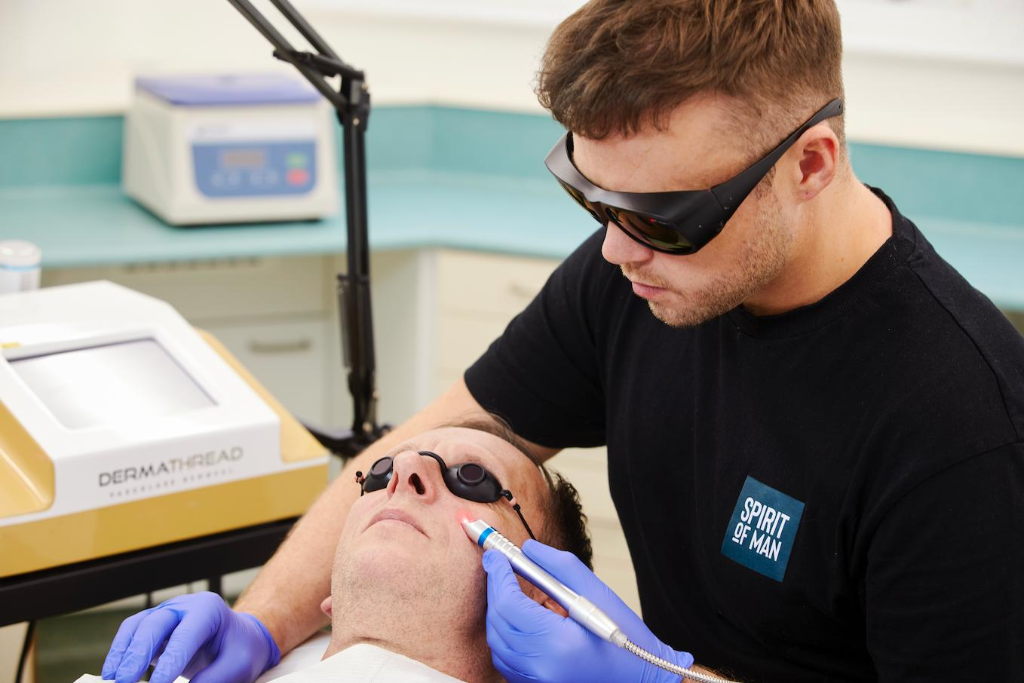
You may benefit from our advanced scar protocols if:
We pride ourselves on transparent, unaltered clinical photography. Discover how our medical procedures transform patient skin and hair.
View Before & After Case StudiesDowntime varies depending on whether subcision or TCA CROSS is incorporated.
In medical dermatology, complete 100% eradication is unrealistic because scarred collagen never fully returns to virgin skin. However, our multimodal protocols regularly achieve 50% to 80% permanent textural improvement, making scars dramatically less noticeable to the eye.
Yes. Subcision operates below the dermal-epidermal junction and does not burn the melanocyte layer, making it one of the safest modalities for Fitzpatrick types III through V.
TCA CROSS (Chemical Reconstruction of Skin Scars) uses a toothpick-thin applicator to deposit high-percentage acid directly into the bottom of an ice-pick scar, provoking localized coagulation that seals the pit from inside out.
Most patients achieve their treatment goals within 3 to 5 multi-modality sessions spaced 6 to 8 weeks apart to allow complete collagen synthesis between treatments.
No. Newly synthesized structural collagen is permanent. The scars will not regress unless new inflammatory acne breakouts occur and cause fresh injury.
Automated collagen induction to refine dilated pores and smooth scar edges.
Learn More →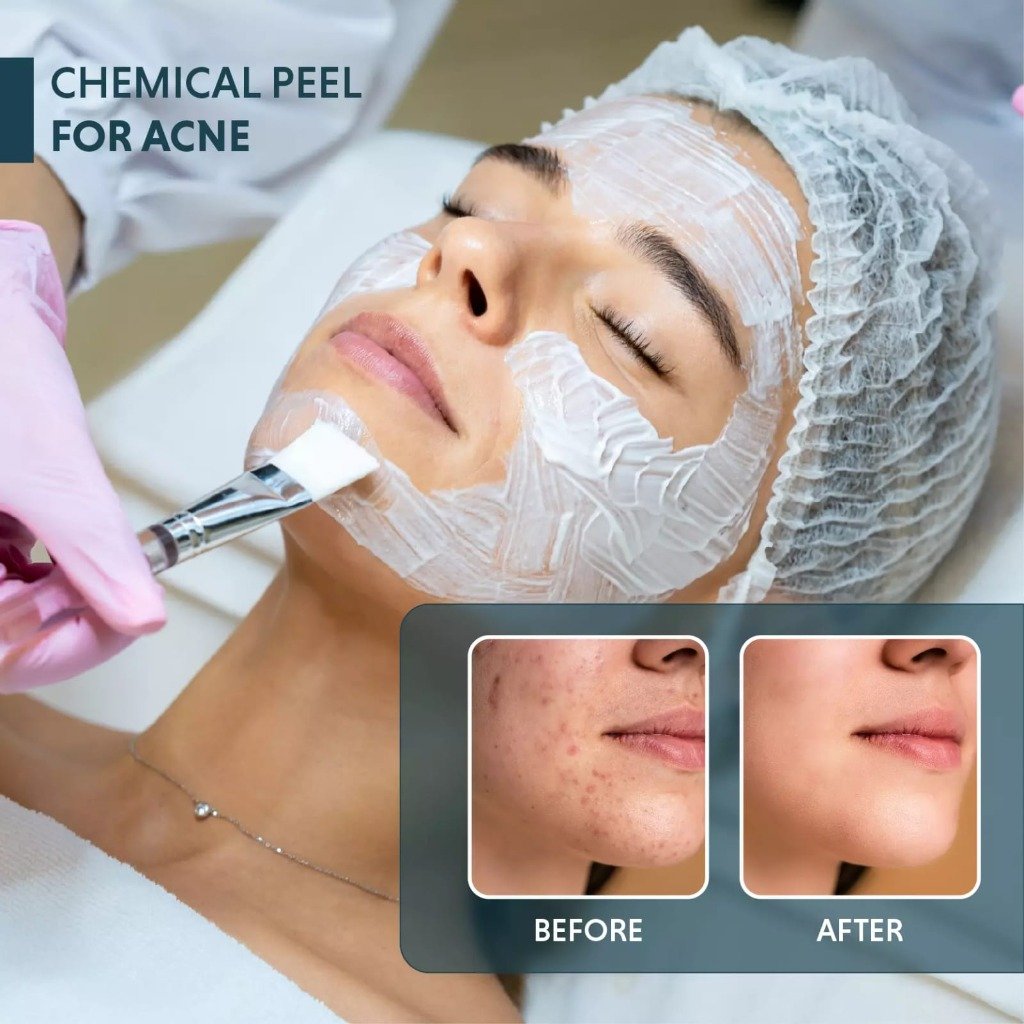
Medical acid solutions to clear post-inflammatory hyperpigmentation marks.
Learn More →
Fractional laser resurfacing for deep dermal remodeling and skin refinement.
Learn More →